The Quiet Fjords: Reconnecting in Western Norway
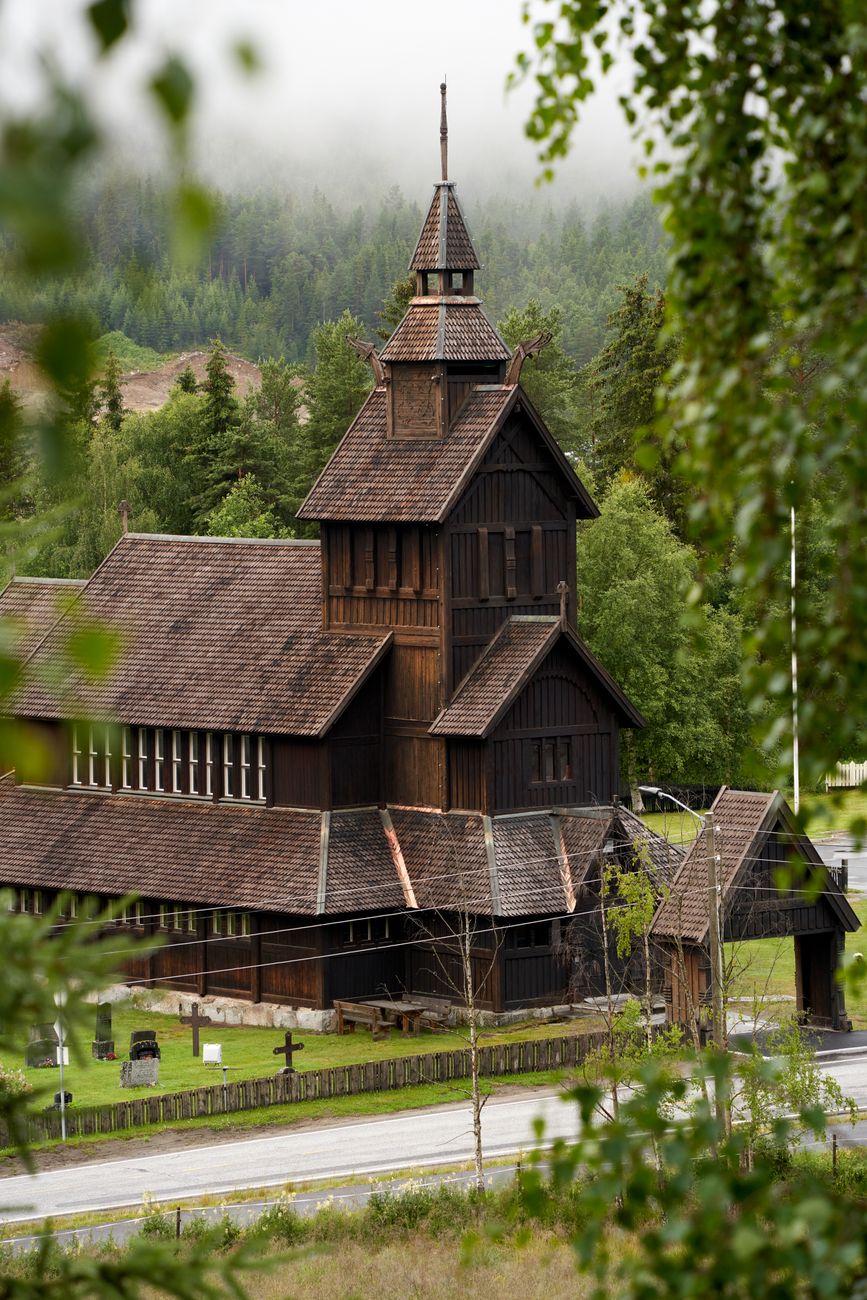
Table of Contents
To understand Western Norway, one must first surrender the notion of rushing. Where the Atlantic fingers penetrate deep into ancient crystalline granite, roads frequently yield to water. In early autumn, the tourists that overwhelm the Geiranger in midsummer have vanished, leaving behind valleys clothed in copper birch leaves and waterfalls whispering down sheer cliff faces.
Navigating by Electric Keels
In recent years, the electrification of fjord passenger vessels has altered the sensory experience of traveling through Nærøyfjord and Aurlandsfjord. Without the throbbing vibration of diesel engines, the vessel slides across glass-black water in near-total silence. One hears the drip of snowmelt from crags two thousand meters above and the cries of sea eagles gliding along thermal currents.
“Silence in the fjord is not an absence of sound, but an overwhelming presence of geology older than memory.”
Timber Architecture & Ancient Staves
At Urnes, standing high on a promontory overlooking the Lusterfjord, the 12th-century stave church embodies the marriage of Viking animal carving with early Romanesque structure. The scent of pine tar baked in centuries of summer sun permeates the interior. Spending hours within these hand-hewn cedar walls reminds one why architectural patience is a spiritual practice.
We stayed in small, family-tended farmsteads that produce tart apple ciders and goat cheeses aged in stone cellars. Dinner here consists of salted fjord trout, root vegetables harvested from mossy loam, and dark sourdough baked in stone hearths.
Editorial Recommendations
- Best Season: Mid-September to late October for golden foliage and uncrowded waterways.
- Transit: Take the scenic Bergen Line train followed by regional zero-emission ferries.
- Stay: Historic wooden guesthouses along Sognefjord with farm-to-table breakfast pantries.